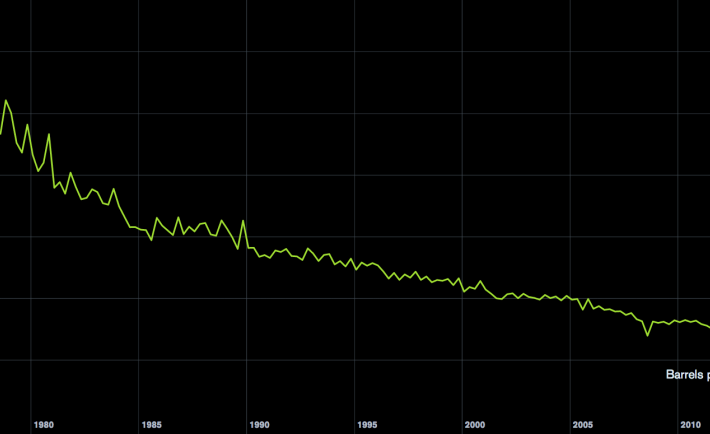
These amazing graphs show what's really happening with the oil crash
by
Brian Houston in Energy
In the United States, petrol has fallen to less than $2 per gallon (53 cents per liter) for the first time in 5 years. Analysts point to many different reasons for the the crash in crude oil prices (and the subsequent drop in petrol) but these beautiful graphs lay out the reason in a clear format that's easy to understand.
Help us build a Cleanleap future
by
Brian Houston in Work
- Are you a science communicator, blogger or writer living in Asia or Africa?
- Do you know about or are you connected to some interesting clean energy, food science or sustainability projects in your area of the world?
- Can you commit to writing at least one article per week?
The new great walls: a guide to China's overseas dam industry
by
Sean McClowry in Energy
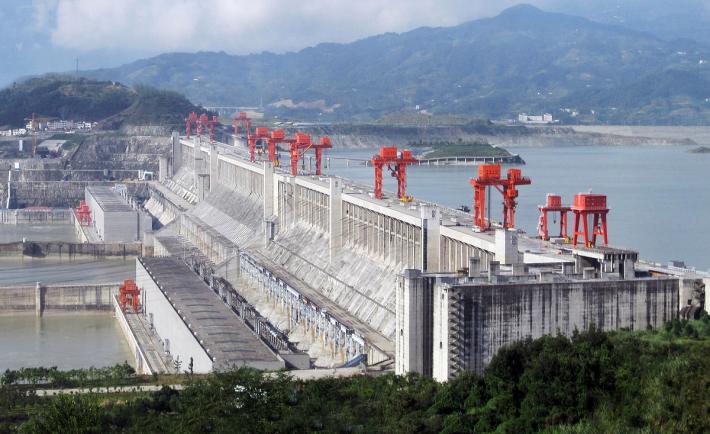
In the rollout of new hydropower projects around the world no one is playing a bigger role than China. 5 of the 10 biggest hydroelectric power stations in the world are in China and Chinese companies are working on hundreds of projects in other countries. The role China is playing doesn’t just apply to engineering, Chinese banks are filling the gap of traditional funders such as the World Bank.
Croton plant offers some hope for biofuel enthusiasts
by
David Kariuki
Share this
The Croton tree, which is commonly known as Mukinduri in Eastern and Central part of Kenya, is now a good known source of biofuels and that is being practiced. It grows in a challenging environment and unlike jatropha and palm, it won't bring food and fuel competition. It has no chemical additives and burns cleaner than traditional diesel fuel, with no sulfuric content. It can save our environment from carbon emissions and help in better land usage.
Using lean data to improve the solar power sector
by
David Kariuki
Share this
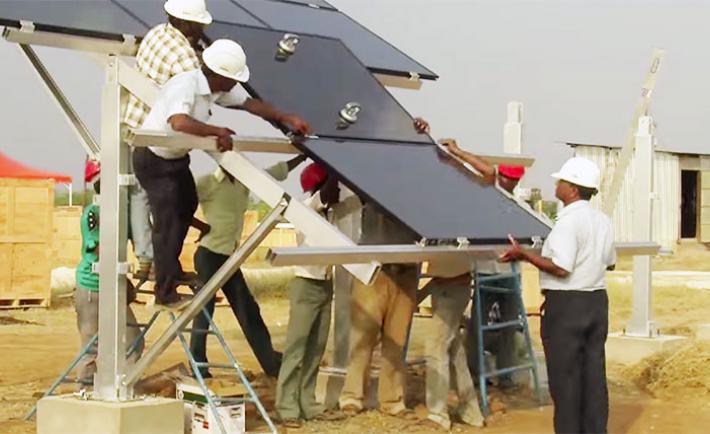
Many companies use traditional methods to measure the impact of solar power investments such as quoting the many dollars invested, number of people using their kits and areas covered by their product, which are inadequate tools for measuring social impact for solar power investments if we have to get it right. Traditional approaches of gathering data are not only expensive, take time to give results and complicated to use, but are also not helpful in terms of boosting solar power funding. The lean data approach proposed by Acumen could, not only bridge solar power funding gaps in developing worlds, but will also help companies to understand emerging markets.
Emerging Economies Leading the Way in Off Grid Home Energy
by
Sally Keys
Share this
Research undertaken by Greentech Media (GTM) predicts that over the next five years, the global solar market will demonstrate a cumulative average growth rate of around 8%, with emerging economies including India and Latin America leading the progress.